The J. Lohr Story
Fifty Years of Family, Place & Craft
From South Dakota Roots to California Wine Legend

The Engineer's Foundation
Jerry's analytical mind led him from the farm to the lecture hall. In 1958, he earned a degree in civil engineering from South Dakota State College—the same institution where he would later endow the Jerome J. Lohr College of Engineering.
Stanford University came next, where he completed a Master of Science in Civil Engineering in 1959. He continued coursework toward a Ph.D. until 1961, developing the rigorous, data-driven approach that would later revolutionize how he thought about winegrowing.
The engineer was taking shape, but destiny had other plans than academia.

Building the Valley
Before leaving NASA, Jerry recognized that the population of what would become Silicon Valley was exploding. People would need homes.
He partnered with Bernie Turgeon to create Saratoga Foothills Development Corp., a custom home building business. Over the next four decades, the firm would construct over 900 custom homes and 15 apartment and condominium projects across Santa Clara, Alameda, and Monterey counties.
But even as he built homes for others, Jerry's mind wandered back to the land itself. His interest in fine wine grew, and he began to wonder: could the same precision he applied to engineering be brought to winegrowing?
The Ten-Year Search
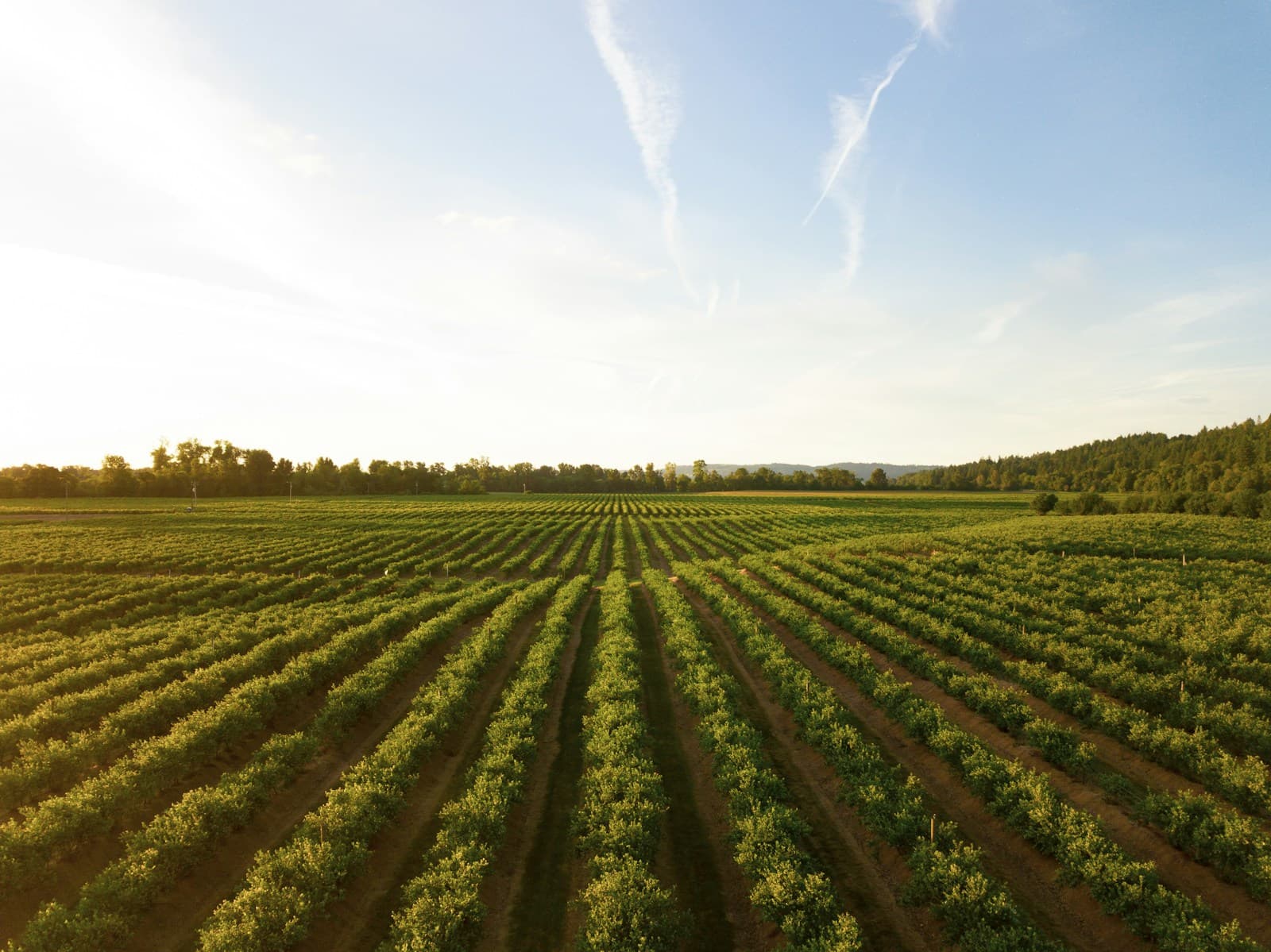
For nearly a decade, Jerry Lohr searched for the perfect place to plant his first vineyard. This was not a casual pursuit—it was methodical, scientific, obsessive.
He studied climate data. He analyzed soil samples. He consulted with UC Davis viticulturists. He drove countless miles through Napa, Sonoma, the Central Coast, evaluating every variable that might affect grape quality.
Most people thought Monterey County was too cold, too windy, too unknown. Jerry saw something different. He saw potential that others missed.
"One of a handful of early pioneers, Jerry Lohr was among the first to realize the inherent potential of Monterey and Paso Robles for growing high quality grapes."
— J. Lohr Heritage
A Winery is Born
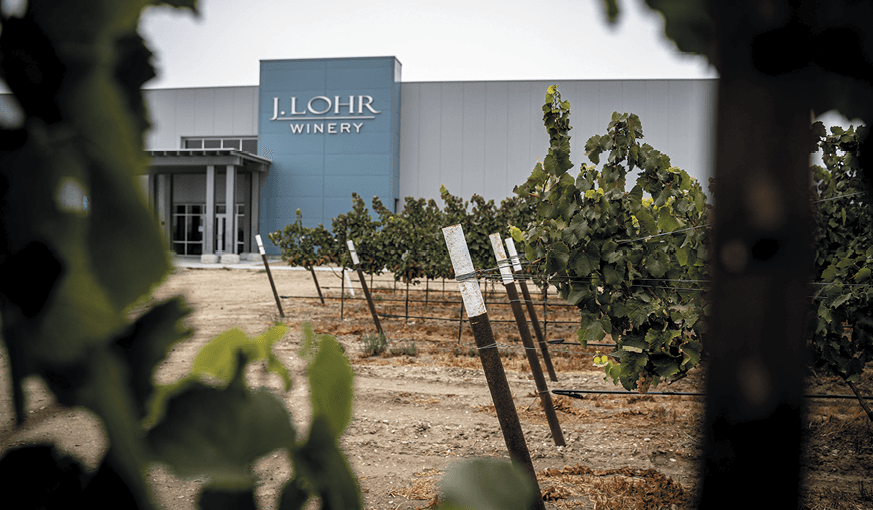
In 1974, Turgeon & Lohr Winery opened in San Jose, California, taking over a closed Falstaff Brewery and transforming it into a working winery.
The first wines bottled in 1975 included Chenin Blanc, a Rosé of Cabernet Sauvignon, Petite Sirah, and a proprietary blend called Jade. By 1976, the winery was producing over 10,000 cases.
The brewery-turned-winery became a landmark—a symbol of transformation, of seeing possibility where others saw an abandoned building.
J. Lohr Vineyards & Wines
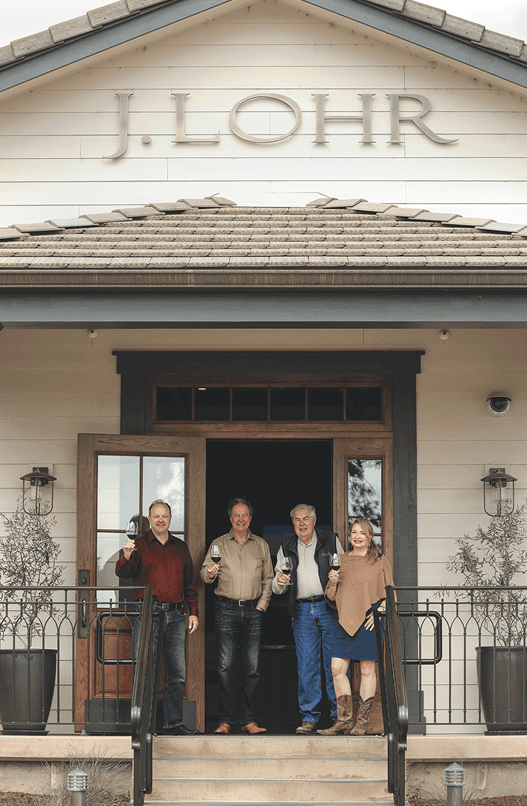
In 1984, Bernie Turgeon retired and sold his shares to Jerry, who renamed the company J. Lohr Vineyards & Wines. Jerry assumed the role of president, and the modern era of the winery began.
The name change was more than cosmetic—it represented a sharpening of vision, a commitment to estate-grown wines, and the beginning of Jerry's singular focus on building something that would last for generations.
"When you plant a vineyard, you are making decisions that will impact your business for the next 25-30+ years."
— Steve Lohr
The Paso Robles Gamble
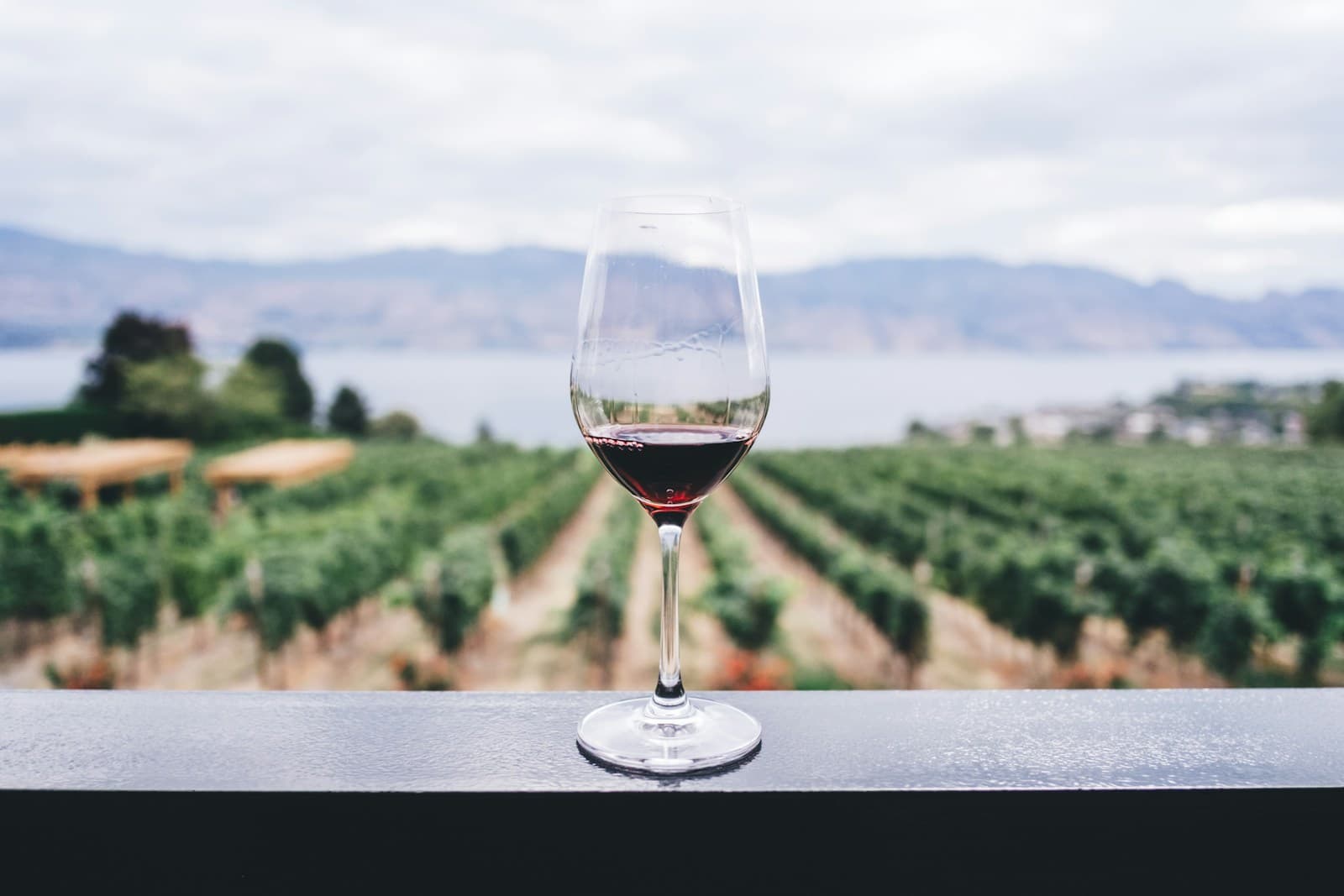
In the early 1980s, Jerry Lohr saw potential for great Cabernet Sauvignon further south. Borrowing a lesson from the French—that great Chardonnay and great Cabernet excel in very different growing conditions—he began scouting a then-unknown region: Paso Robles.
In 1986, J. Lohr planted Cabernet Sauvignon, Merlot, and other red wine grape varieties in the Paso Robles AVA. Two years later, a new production facility opened—large by the standards of the time, built for more than 100,000 cases.
Many thought Jerry was crazy. Paso Robles was unproven, unfashionable, unknown. He saw what they couldn't.


America's Favorite Paso Cabernet - Seven Oaks
Going Global

In 1986, as the Paso Robles plantings took root, J. Lohr began selling wines internationally. The world was discovering what Jerry had known for years: California could produce wines that rivaled anywhere on Earth.
The company grew steadily, guided by Jerry's long-term vision and unwavering quality standards. No shortcuts. No compromises. The same attention to detail that built heat shields for Apollo astronauts now guided every vineyard decision.
Meanwhile, Jerry's three children—Steve, Cynthia, and Lawrence—were growing up in the business, spending weekends and summers in the vineyards. But Jerry had a rule: they had to prove themselves elsewhere before joining the family company.

The Ten-Year Rule
Jerry Lohr believed that his children needed to earn their way. Before they could join J. Lohr full-time, Steve, Cynthia, and Lawrence were required to work elsewhere for a decade—to develop their skills, gain perspective, and prove they had something to contribute beyond their last name.
Steve spent twenty years on the San Francisco Peninsula, designing and building high-end custom homes. Like his father before him, he learned client relations, finance, sales, marketing, and the long game of building things that last.
When the three siblings finally returned to J. Lohr in the early 2000s, they brought decades of combined experience from outside the wine industry—fresh eyes for a fifty-year-old company.
"Jerry insisted they work elsewhere for a decade to gain fruitful experience. The three returned to J. Lohr in the early 2000s and now hold top-level positions."
— Paso Robles Press
The Next Generation
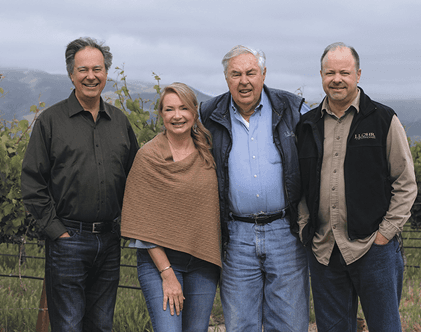
In 2002, Cynthia Lohr joined as Director of Communications. The following year, Steve joined as VP of Planning & Development, and Lawrence began his work in the vineyards.
The transition was gradual and deliberate—Jerry's way. Steve became EVP and COO in 2009, overseeing vineyard management across all properties. In 2013, he was named CEO.
The company Jerry built was now in the hands of his children—but Jerry remained actively involved, the patriarch still guiding his family's legacy.

Growing Sustainably
In 2008, J. Lohr installed a three-acre solar tracking array at its Paso Robles winery—the largest of its kind in the North American wine industry. The $5 million investment would supply over 84% of the facility's electrical needs.
Two years later, J. Lohr was among the first 17 vineyards and wineries in California to earn Certified California Sustainable Winegrowing distinction. Steve Lohr, now leading the company's sustainability efforts, articulated the philosophy: 'The Three E's—Environment, Equity, and Economics.'
In 2020, J. Lohr received the ultimate recognition: the Green Medal Leader Award from the California Sustainable Winegrowing Alliance.
"If you can't make a buck at what you're doing, you aren't going to be around very long—and that's not sustainable."
— Steve Lohr
The J. Lohr Sustainability Journey


Fifty Years Young
In 2024, J. Lohr Vineyards & Wines celebrated its 50th anniversary—a half-century of family, place, and craft.
Today, the company farms over 4,000 acres of Certified California Sustainable vineyards across Paso Robles, Monterey County, and Napa Valley. More than 36 wines carry the sustainable certification seal, representing 20 million bottles.
Steve Lohr, now leading the company through what he calls 'the most significant industry cycle in 50 years,' remains focused on the long term—just as his father taught him, planting those first vines together in 1972.
J. Lohr 50th Anniversary with Jerry & Steve Lohr
Family. Place. Craft.

What began with 280 acres and a ten-year-old boy helping his father has grown into one of America's most respected wine estates. But the values remain unchanged.
Match the right grape to the right place. Think in decades, not quarters. Take care of the land, the people, and the community. And never forget that the ultimate purpose is simple: to make people happy.
The next fifty years have already begun.
"Our sole reason for being is to make people happy—to add enjoyment to their celebrations.
— Steve Lohr